Arepas
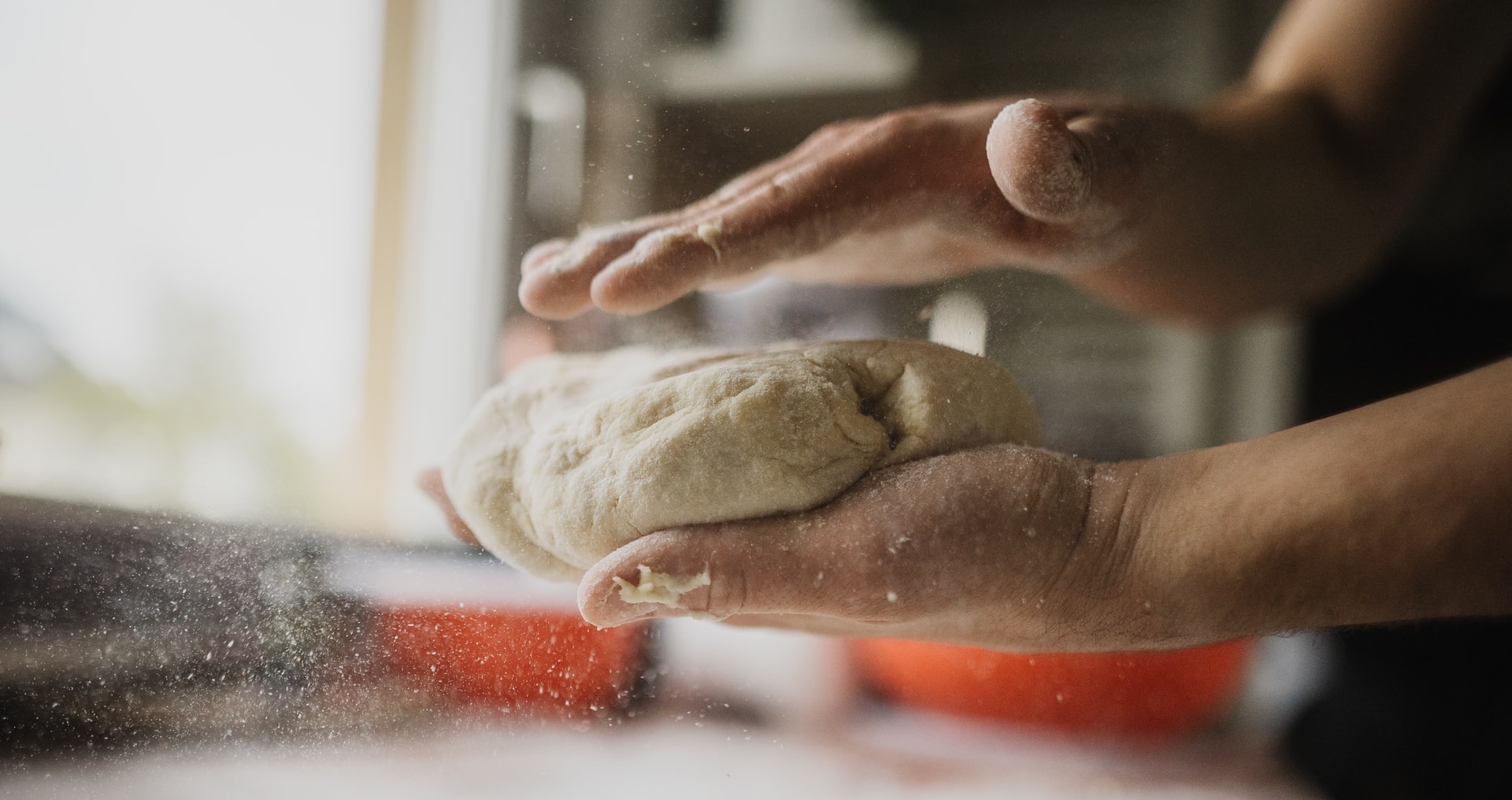
Claudia stirred the pot. Yes, the stuffing was done. She took the pot off the heat and replaced it with a pan filled with water. She turned to the chopped onions and tuna and glanced at the TV as she mixed in the mayo. The news was about the vaccines again, about how this time they worked. Good. She tasted the tuna salad, added salt, and set it aside. Time to make the arepas. She had to make about a hundred to fill in orders that came in from all over Santiago. She stirred in maize dough into water until the dough was as firm as she wanted. She broke pieces of the dough and rolled them one by one. Then she flattened each dough ball and pressed them on the frying pan until the arepas were golden-brown. Perfect, mama would be proud. For a moment, she was a child in her mama’s kitchen again. Mama and papa had jobs, she could get all she wanted, they were happy. Things changed.
She came to Santiago four years ago because there was no money, no food, and no choices back home. She hoped to earn enough to send some to her mama. She hated Santiago. The city was dull and grey like her apartment. She had no friends. Nobody knew her. She hated working at the dentist’s office. Hated coming back to an empty house. She was a thousand miles away from home and the city made sure she did not forget that. Then, three years ago, things changed again. A plague shut the city down. Making arepas saved her. She noticed there were many like her in this city, stuck in their houses but missing the taste of home. Her neighbours started to buy her arepas and soon her WhatsApp would not stop buzzing with orders.
Claudia brought the arepas to the table and began to fill them with stuffing. She had an hour before they would come to pick-up. She smiled as the beats of the song wafted in from next door: thump ta-thump thump. They turned up the volume without fail this time of the day. The rhythm added its own spice to her cooking. She placed an arepa in each box and added a side of the tuna salad. She sprinkled parsley on the salad and closed the boxes with a flourish. A few minutes to pick-up time. She put on her mask and checked her phone. The apartment’s WhatsApp group was as lively as ever. Flat number seven’s pipe needed repair and the grandpa from flat number sixteen was feeling better. The lift usage schedule was updated to give parents time to take their kids to school, which had re-opened last week. She scrolled up to her pinned texts. Five offers to work as a cook, two of them from the best cafes of Santiago. She beamed with pride every time she saw them. The city was waking up and the cafes expected to get busy. The doorbell rang and she brought out the boxes to the delivery guy. As she watched him go, the boy next door came out and asked her if she had any arepas left. No, but I can make some for you on Sunday. She went back in and closed the door. She was home.
**
I wrote this story in November 2020 as part of a writing workshop. The exercise was to write as if it were 2023 and the world had been in lockdown for more than three years. At the time I wrote the story, the potential impact of the vaccines on the course of the pandemic was uncertain. A multi-year lockdown seemed like a possibility.
The exercise prompt reminded me of a podcast episode about a community of nearly two thousand people confined to dense apartment tower blocks in Santiago de Chile due to the city’s quarantine rules. The tower blocks consisted of hundreds of small apartments. Residents created their own internal network of trade and exchange conducted mostly via WhatsApp to survive the lockdown. Many residents of the tower block were migrants from Venezuela who had come to Santiago to find work. Claudia, I imagined, was one such resident.
Over five million refugees and migrants from Venezuela live abroad. Since 2014, there has been an 8,000 per cent increase in the number of Venezuelans seeking refugee status worldwide. Most of them live in the Americas – across Latin America and the Caribbean and in the United States. For migrants, food is a source of comfort, identity, and nostalgia. The growing Venezuelan diaspora is the best ambassador of Venezuelan cuisine, which could become a phenomenon like Chinese food, ubiquitous and tailored to local tastes.
**
The podcast episode about Santiago that inspired the story is this one by El Hilo. Credit is also due to the excellent newsletter Distintas Latitudes that pointed me to a Twitter thread about potential impact of Venezuelan migration on its cuisine.