Mixtape
Last month I wrote about my earliest memories of listening to music. Throughout the nineties I listened to music on our trusty tape recorder with built-in AM/FM radio. The tape recorder did not provide a high fidelity audio experience but the click of its mechanical buttons, the whirr of the cassette as it rewound, the static in between radio stations, provided a sensory experience of another kind.
At some point, I realized I could use it to record music from the radio on to cassettes and make my own mixtapes. That blew my little 10 year old mind. First, there was the anticipation of waiting for a favorite song to play on the radio and making sure I hit the record button just before the song started but also right after the radio announcer’s chatter. Then there was the ability to play the songs on the cassette whenever I wanted. But most of all, it was the realization that I could create new mixtapes over and over again to keep up with my changing tastes in music.
I feel deep nostalgia when I think of cassettes. Going by the popularity of cassette prints on everything from t-shirts to iPhone covers, I am not the only one. To my delight, shortly after I posted last month, I found a five-part podcast series on cassettes called Mixtape. The series has about a dozen stories exploring the impact of cassettes on societies and individuals. I loved the series not only because it let me indulge in some more cassette related nostalgia but also because it reminded me of the huge impact cassettes had as a technology for sharing memories, culture, and information. Cassettes were “recordable, rewritable, spliceable, compact, mobile” which was revolutionary technology at the time.
The grandest stories were those pertaining to cassettes’ impact at the societal level. In the 1980s, rock music from the West entered China through discarded cassettes and changed the country’s musical landscape. In the late 1970s, speeches broadcast via cassettes helped fuel revolution in a country under military dictatorship.
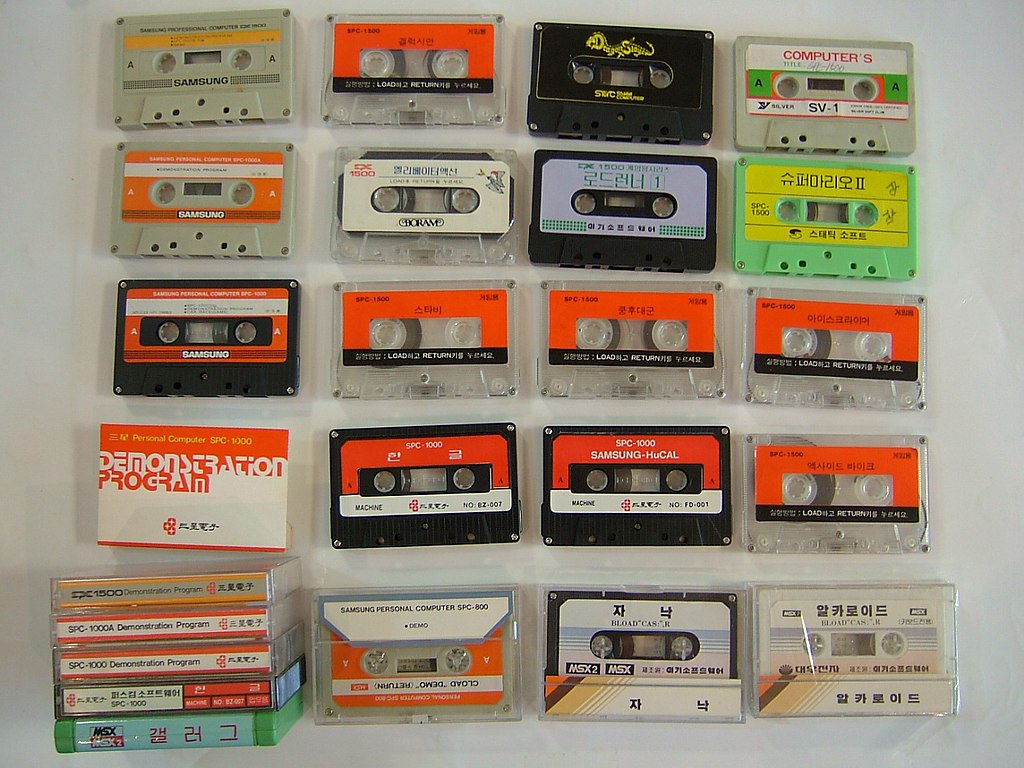
The most amusing story was from 1983 about a computer enthusiast who used to broadcast software in morse code on the radio and people at home would record it on cassettes. At the time, instead of floppy discs and flash drives, computers accepted data cassettes which were same as the ones used for playing music. So people would “downloaded” the software from the cassette with the recorded code onto their home computers. This was effectively a cassette fueled analog internet. The story reminded me of the Cuban paquete semanal or “the weekly packet,” an offline version of the internet sold on USB drives in the underground market in Cuba. The USB drives are loaded with a terabyte of the latest and greatest in news and entertainment. A contemporary analog internet for Cubans sick of their expensive and slow internet connections.
On the final Mixtape episode, a story about the Lost Boys of Sudan moved me to tears. In the 1990s, young refugees from Sudan who were resettled to the US took with them oral histories of their families recorded on cassettes. This was the gift cassettes gave to young refugees, a precious connection to everything familiar in a strange, new country.
Recordable, rewritable, spliceable, compact, mobile, mighty cassettes. Listen to all Mixtape episodes here or look for them on your podcast app of choice.