A Millenial Listens to Music
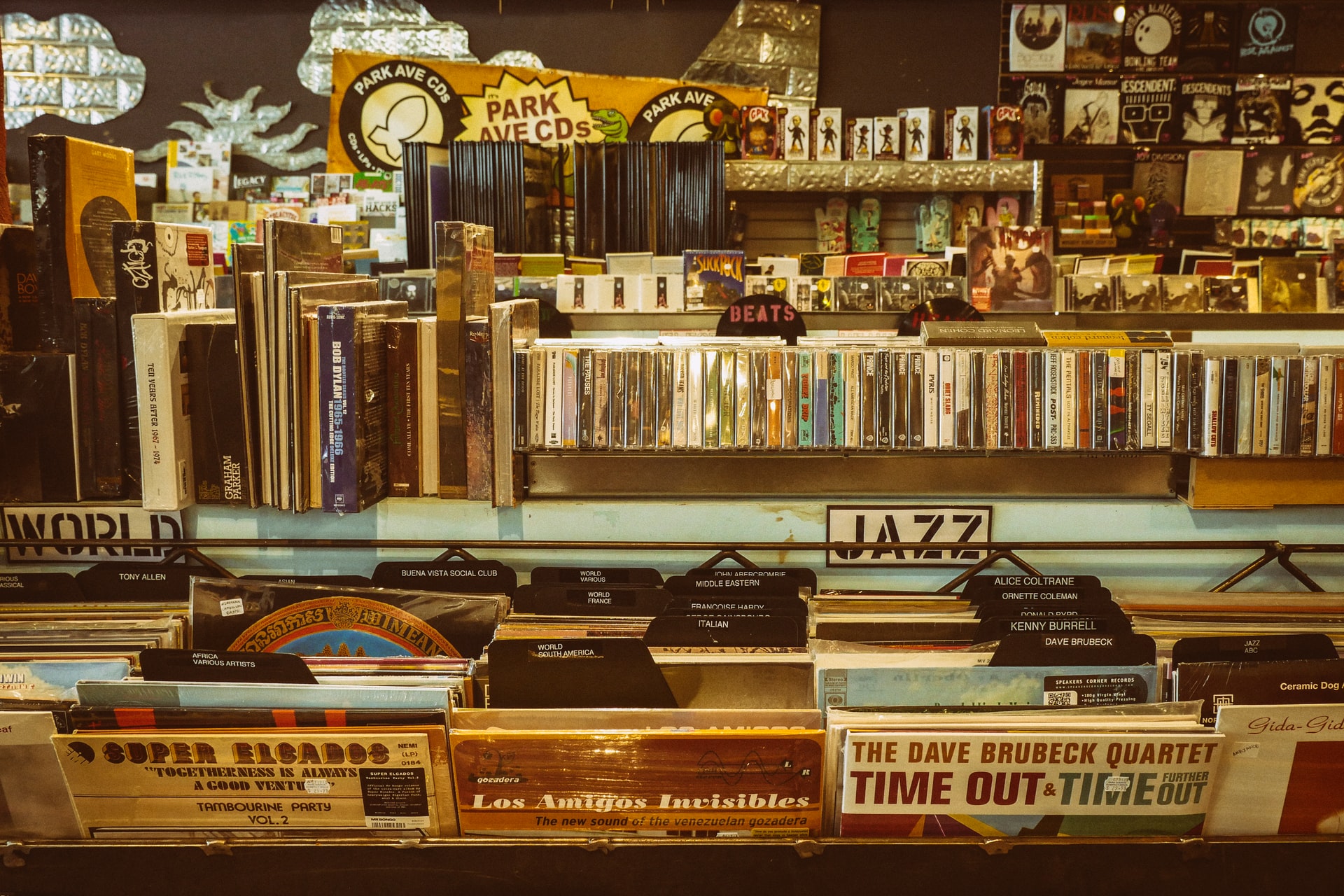
I recently finished Questlove’s class on music curation and DJing on MasterClass. I expected to learn a lot from someone who is at the top of their craft, which I did. I was also charmed by Questlove’s obvious and absolute love for records and music.
Questlove started DJing before he turned ten and has collected 200,000 vinyl records over his four-decade career. Vinyl was the dominant format for listening to music until the 1980s, when cassettes took over only to be replaced by CDs, MP3/digital audio, and then online streaming in rapid succession.
It occurred to me that anyone over thirty would have gone through this mad roller coaster ride of music formats (excluding vinyl purists who stuck to records). Questlove says music is a snapshot, a Polaroid of your life’s memories. As an elder millennial, my memories span from cassette tapes to online streaming.
Cassette Tape Phase
My earliest memories of listening to music are from the early nineties. We had a weird collection of cassettes at home; a cassette with a dozen Rajasthani folks songs, one with Kannada rhymes sung by children that I later found were actually adults singing in childrens’ voices, and three cassettes with Bollywood movie scores, Tezaab (1988), Hum (1991), and Aashiqui (1990). I remember being mesmerized by Madhuri Dixit’s glittery pink costume from Tezaab on the cassette’s glossy insert.
In the mid-90s my uncle gave us a mixtape with songs by the Beatles, Journey, Electric Light Orchestra, and inexplicably, the theme song of every James Bond movie released till then. I listened to that mixtape a lot and I knew the words to all of the songs on them.
Later in the 90s, I bought music for the first (and only) time. Three cassettes, all of them Europop bands. Spice Girls, Whigfield, and Vengaboys (pre-teen Nivedita liked repetitive dance music I guess).
Radio Phase
Starting in the late 90s and throughout the 00s, I listened to a lot of FM radio. FM stations proliferated after FM radio was privatized in the late 90s. There were so many FM stations that I could switch between them to find the station playing a song I liked (that prepared me well for online streaming’s shuffle play). On FM I listened to contemporary Bollywood and assorted songs from US and UK Top 40 music charts.
Radio listening spanned two generations in my family. My grandparents listened to All India Radio (AM radio!) and when I spent vacations with them, I would fall asleep to classics from Bollywood.
Yes, it was a joyous day when Spotify onboarded Bollywood’s music catalog circa 2019.
The P2P Phase
By the mid aughts, everyone I knew was sharing USB drives with thousands of MP3 files. If you wanted a song or an album you asked and you received. Technically, the whole world of popular music was available online (Napster! Pirate Bay!) but the music I listened to was heavily influenced by the vibe of the time and place, let’s call it the pre-Metro Bangalore engineering college aesthetic, which was basically the entire catalog of Pink Floyd with some classic rock and heavy metal thrown in.
I hardly listen to music from this period since graduating from college. It has been relegated to nostalgia.
The Streaming Phase
I have streamed music online since 2007 (14 years and counting) and it has become the primary way I listen to music. In a way, I was groomed to like streaming. I grew up listening to the radio and did not know anyone who bought physical records (or cassettes and CDs for that matter). The idea of owning music was alien. Right when I got my first job and had money to spend, I found free online streaming. I took to it wholeheartedly. It was the most natural transition from listening to music on the radio or songs downloaded from the Internet.
I was also becoming more interested in the world and with streaming I could find music beyond Bollywood and US/UK chart toppers. I was discovering music from new genres and eras from around the world thanks to my curiosity and the online community of music listeners (shared public playlists!).
The downside of being an early adopter of online streaming is that I have used many streaming services that were short-lived. Some services died within a couple of years of me using them. It was heartbreaking to lose all my (much loved) playlists and online community along with the platform. It was particularly bleak after the streaming service Grooveshark shut down in 2015. I could not bring myself to sign up to any new service and roamed the wastelands of YouTube listening to odds and ends. I finally signed up to Spotify circa 2016 and it is now the primary way I listen to music.
The only artifact I have left from the years of streaming is my Last.fm profile. I would connect my Last.fm profile to my streaming service profiles so that every song I streamed was logged (scrobbled, in Last.fm parlance) to my Last.fm profile. Last.fm gave me listening stats (for example, I streamed 7,160 songs in 2011) and also cool metadata about the music I played (like my most played track of all time is Sunset by Nitin Sawhney and I listened to 2,507 artists in 2020). Last.fm connects to Spotify as well, so at least there is some continuity there.
Spotify seems to have figured its way around music licensing issues (it is partly owned by music companies so that must help) and it looks like it might last. Still, I have not forgotten what it felt like to have platforms die abruptly. It felt like having the rug pulled out from under your feet. Maybe that is why I have not invested much time in making playlists or building community on Spotify.
Making a case for vinyl records, Questlove argues that buying them is like owning a piece of music history. They do not disappear if your subscription lapses unlike streaming where you essentially rent music from the cloud. It is a persuasive argument. One that may win over my millennial-ish preference to rent not buy.